
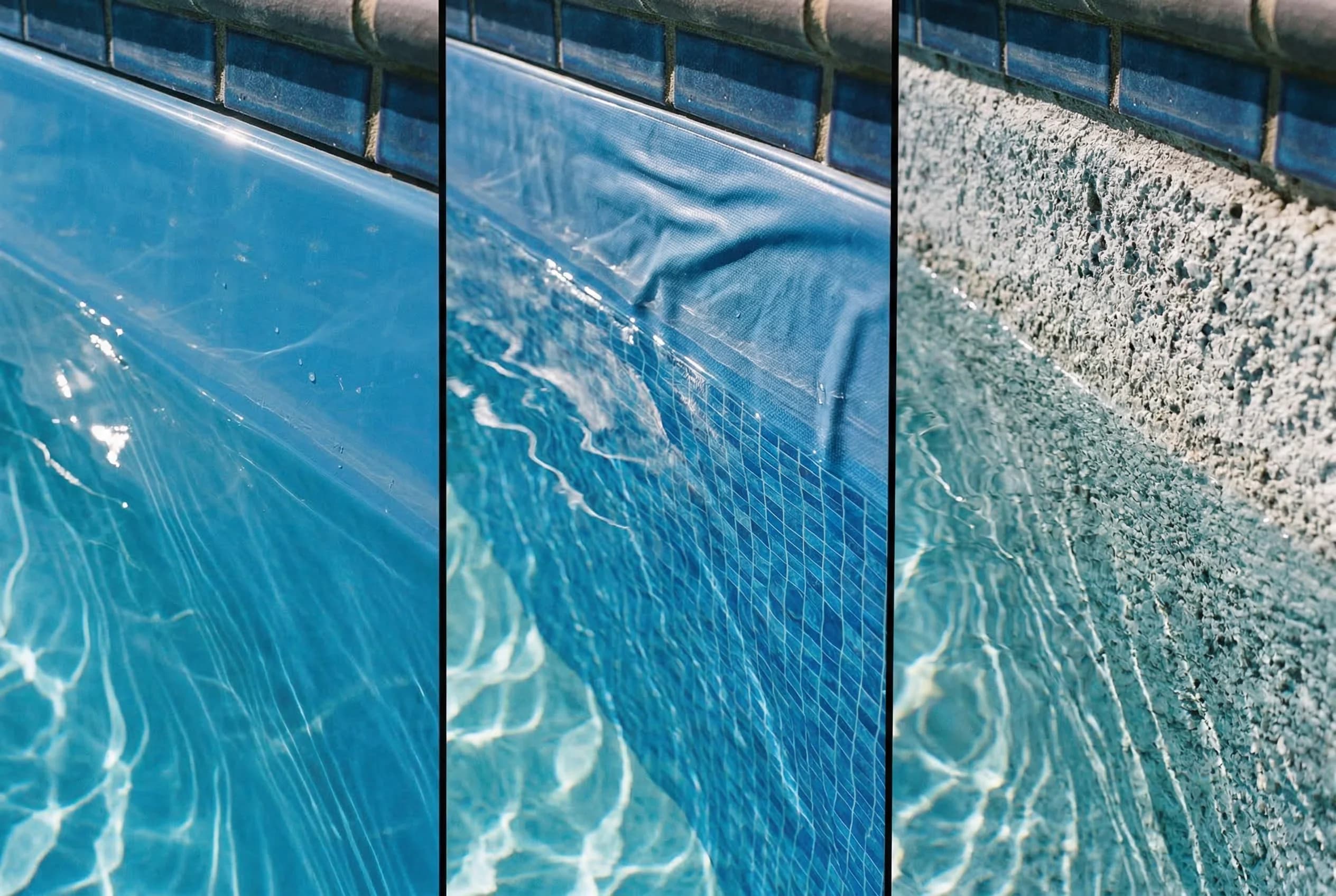
Choosing a pool type is one of the biggest decisions you'll make in the entire pool-buying process. Pick the right one, and you'll enjoy decades of low-maintenance backyard fun. Pick the wrong one, and you'll be dealing with repairs, resurfacing, and regret.
We install fiberglass pools — so yes, we have a horse in this race. But we also believe in giving you an honest, complete comparison so you can decide what's truly best for your family and your Jacksonville property. We'll even tell you when concrete might be the better call.
Let's break it all down.
The Three Types of Inground Pools, Explained
Fiberglass Pools
A fiberglass pool is a single-piece shell manufactured in a factory, delivered to your home on a truck, and set into an excavated hole with a crane. The shell is made of multiple layers of fiberglass and resin, topped with a smooth gel coat finish.
Think of it like a giant, incredibly strong bathtub being placed in your backyard.
Key characteristics:
- Factory-built, one-piece construction
- Smooth, non-porous gel coat surface
- Flexible structure (17x stronger than concrete)
- Fastest installation of any inground pool type
- Lowest long-term maintenance cost
Concrete (Gunite/Shotcrete) Pools
Concrete pools are built on-site from the ground up. A rebar framework is constructed in the excavated hole, then concrete is sprayed on (gunite or shotcrete), shaped, cured, and finished with plaster, pebble, or tile.
Key characteristics:
- Fully custom shapes and sizes
- Built on-site over several months
- Porous surface requires regular maintenance
- Needs resurfacing every 10-15 years
- Highest upfront and long-term cost
Vinyl Liner Pools
Vinyl liner pools use a manufactured frame (steel, aluminum, or polymer walls) installed in the ground, with a custom vinyl liner draped over the structure to hold water.
Key characteristics:
- Lowest upfront cost
- Smooth, non-abrasive surface
- Liner replacement needed every 7-10 years ($4,000-$6,000)
- Most vulnerable to damage (punctures, tears, fading)
- Limited shape options compared to concrete
Installation Time: When Will You Be Swimming?
This is where the differences hit home — literally. In Jacksonville, here's what you're looking at:
| Pool Type | Construction Time | Total Timeline (Including Permits) |
|---|---|---|
| Fiberglass | 7–10 days | 8–12 weeks |
| Vinyl Liner | 3–6 weeks | 10–16 weeks |
| Concrete | 3–6 months | 5–9 months |
With a fiberglass pool, you could sign a contract in February and be swimming by April. With concrete, that same February contract might not have you swimming until September — or even the following spring if weather delays pile up.
In Jacksonville's climate, where we get heavy summer rains, concrete pool construction is particularly vulnerable to weather delays. Each rain event can push the schedule back days or even weeks. Fiberglass installations are far less affected because the shell is pre-built and the on-site work is compressed into a tight window.
Upfront Cost Comparison: Jacksonville Pricing
Let's talk money. Here's what each pool type typically costs, fully installed, in the Jacksonville area:
| Pool Type | Small (12'–16') | Medium (24'–30') | Large (32'–40') |
|---|---|---|---|
| Fiberglass | $45,000 – $52,000 | $55,000 – $68,000 | $70,000 – $85,000 |
| Vinyl Liner | $35,000 – $45,000 | $45,000 – $60,000 | $55,000 – $70,000 |
| Concrete | $50,000 – $65,000 | $65,000 – $90,000 | $85,000 – $120,000+ |
Vinyl liner is the cheapest upfront. Fiberglass falls in the middle. Concrete is the most expensive. But upfront cost is only part of the story — and honestly, it's the least important part.
10-Year Ownership Cost: The Number That Actually Matters
This is the comparison that changes minds. Over 10 years of ownership, here's what each pool type costs in maintenance, repairs, chemicals, and energy:
| Cost Category | Fiberglass | Vinyl Liner | Concrete |
|---|---|---|---|
| Chemicals | $1,500 | $2,500 | $5,000 |
| Electricity | $1,200 | $1,800 | $3,600 |
| Resurfacing / Liner Replacement | $0 | $5,000 | $12,000 |
| Acid Washing / Repairs | $0 | $200 | $3,800 |
| Professional Maintenance | $1,050 | $2,000 | $3,000 |
| 10-Year Maintenance Total | $3,750 | $11,500 | $27,400 |
Now add the upfront cost for a mid-size pool to get the true 10-year cost of ownership:
| Fiberglass | Vinyl Liner | Concrete | |
|---|---|---|---|
| Installed Cost (mid-size) | $60,000 | $50,000 | $75,000 |
| 10-Year Maintenance | $3,750 | $11,500 | $27,400 |
| True 10-Year Cost | $63,750 | $61,500 | $102,400 |
Vinyl liner and fiberglass end up nearly identical in total cost — but the fiberglass pool requires a fraction of the effort and hassle. And concrete? It costs $38,650 more over the same period.
Maintenance Comparison: Your Saturday Mornings
Let's be real — nobody buys a pool because they love skimming and scrubbing. Here's how much weekly maintenance each type demands:
Fiberglass: 15-20 Minutes Per Week
The smooth, non-porous gel coat surface of a fiberglass pool resists algae growth. You'll skim the surface, check your chemical levels, and you're done. No brushing the walls. No battling persistent algae blooms. This is 90% less maintenance than a concrete pool.
Vinyl Liner: 30-45 Minutes Per Week
Vinyl is smooth and non-porous (like fiberglass), so algae resistance is decent. But you need to be careful about the liner — no sharp objects in the pool, gentle brushing only, and constant vigilance for wrinkles, tears, or fading. You're also watching for liner separation at the seams.
Concrete: 1-2 Hours Per Week
Concrete's porous surface is an algae playground. Weekly brushing of all walls and floors is mandatory — not optional. You'll use significantly more chemicals to keep the water balanced because the rough surface absorbs and depletes sanitizer. Acid washing is needed every 3-5 years. Resurfacing every 10-15 years. It's the high-maintenance relationship of the pool world.
Durability in Jacksonville: Clay Soil Is the Wild Card
Here's something most national pool comparison articles won't tell you: Jacksonville's clay soil changes the durability equation significantly.
Clay soil expands when it absorbs water and contracts when it dries out. This creates constant pressure shifts against your pool structure. Here's how each type handles it:
Fiberglass: Built for Flex
Fiberglass is 17 times stronger than concrete and can flex up to 12 inches without cracking or structural damage. When Jacksonville's clay soil pushes, a fiberglass pool flexes with it and returns to its original shape. This is actually one of the biggest advantages of fiberglass in our specific market.
Concrete: Rigid and Vulnerable
Concrete doesn't flex — it cracks. In clay soil, concrete pools commonly develop cracks within the first 5-10 years that require expensive repairs. Pop-ups (where groundwater pressure pushes the pool up) are also more common with concrete in high water table areas, which parts of Jacksonville definitely have.
Vinyl Liner: Caught in Between
The vinyl liner itself is flexible, but the wall panels are not. In clay soil, wall panels can shift or bow over time, causing liner wrinkles and premature replacement. The liner also provides zero structural strength — if the walls move, the liner just follows along.
Design Options: Let's Be Honest
This is the one area where concrete genuinely wins.
Concrete: Unlimited
Any shape. Any size. Any depth. Vanishing edges, beach entries, grottos, swim-up bars — if you can dream it, concrete can build it. If you want a 50-foot pool shaped like the state of Florida with a 12-foot deep end, concrete is your only option.
Fiberglass: 25+ Models, But Pre-Shaped
Fiberglass pools come in factory-molded shapes. Barrier Reef offers more than 25 models ranging from 10-foot plunge pools to 40-foot lap pools, including rectangles, freeforms, Roman styles, and beach entries. The Shimmer Finish gel coat comes in 6 colors. See all 25+ models to find one that fits your backyard.
For the vast majority of homeowners, one of these 25+ shapes is a perfect fit. But if you need a very specific custom shape, fiberglass won't work.
Vinyl Liner: Moderate Flexibility
Vinyl liner pools offer some customization in shape and size, but they're limited by what the wall panels can form. You won't get the organic freeform shapes that concrete offers, and features like beach entries and tanning ledges are limited.
Resale Value: What Buyers Want
When it's time to sell your Jacksonville home, the type of pool matters to buyers:
- Fiberglass pools are increasingly preferred by buyers because of their low maintenance reputation. They're seen as a feature, not a liability.
- Concrete pools can be a positive or negative depending on condition. A well-maintained concrete pool adds value. One that needs resurfacing ($8,000-$15,000) becomes a negotiation point against you.
- Vinyl liner pools are the weakest for resale. Buyers know they'll need to replace the liner soon, and that cost factors into their offer.
In Florida's Sun Belt market, pools generally add 5-15% to home value. Fiberglass pools tend to land on the higher end of that range because buyers don't factor in heavy future maintenance costs.
Warranty Comparison
| Warranty Type | Fiberglass (Barrier Reef) | Vinyl Liner | Concrete |
|---|---|---|---|
| Structural | Lifetime | 15-20 years (walls) | None standard |
| Surface | Lifetime (gel coat) | 3-5 years (liner) | 1-3 years (plaster) |
| Transferable | Yes | Varies | Rarely |
Barrier Reef's lifetime structural and surface warranty is fully transferable to future homeowners — which directly supports resale value.
When Concrete Actually Makes Sense
We promised an honest comparison, so here it is. Consider a concrete pool if:
- You need a pool longer than 40 feet. Fiberglass shells max out around 40 feet due to shipping constraints.
- You want a truly custom shape that doesn't match any available fiberglass mold — a very specific L-shape, a pool with an integrated spa at an unusual angle, or a vanishing edge design.
- You need an extremely deep pool. Most fiberglass pools max out at 6-7 feet of depth. If you need 8+ feet for diving, concrete is the way.
- Budget is not a primary concern and you're willing to invest in the higher long-term maintenance costs for a fully custom design.
For the other 85-90% of Jacksonville homeowners, fiberglass offers a better combination of value, durability, aesthetics, and ease of ownership. Dive deeper into why fiberglass is the smart choice for Florida pools.
Why We Chose Barrier Reef
When we started iTopPools, we evaluated every major fiberglass pool manufacturer in the country. We chose Barrier Reef because:
- 40 years of manufacturing experience — they've been making pools since 1984
- Australian engineering heritage — pool technology from the country that arguably perfected backyard pool culture
- Handmade in Timmonsville, South Carolina — American-made, just 300 miles from Jacksonville
- [25+ models](/pools) covering every common pool need
- Shimmer Finish gel coat in 6 colors that resists fading and staining
- Lifetime structural warranty that we stand behind completely
We didn't choose the cheapest manufacturer. We chose the one we'd put in our own backyards.
The Bottom Line
Here's the comparison in one table:
| Factor | Fiberglass | Vinyl Liner | Concrete |
|---|---|---|---|
| Upfront Cost | $$$ | $$ | $$$$ |
| 10-Year Cost | $ | $$ | $$$$ |
| Installation Time | 7-10 days | 3-6 weeks | 3-6 months |
| Weekly Maintenance | 15-20 min | 30-45 min | 1-2 hours |
| Durability (Clay Soil) | Excellent | Fair | Poor |
| Design Flexibility | Good (25+ models) | Moderate | Unlimited |
| Resale Value Impact | Highest | Lowest | Depends on condition |
| Warranty | Lifetime | 3-5 years (liner) | 1-3 years (surface) |
For Jacksonville homeowners who want a beautiful pool without the never-ending maintenance, fiberglass is the clear winner. You'll spend less time and money maintaining your pool and more time actually enjoying it.
Ready to See Which Fiberglass Pool Fits Your Backyard?
We'll help you find the right Barrier Reef model for your space, your family, and your budget. No pressure, no obligation — just straight answers from a local team that knows Jacksonville backyards.
[Get Your Free Quote at itoppools.com/quote](https://itoppools.com/quote)
We're happy to answer questions even if you're just starting to explore the idea. Reach out anytime.